
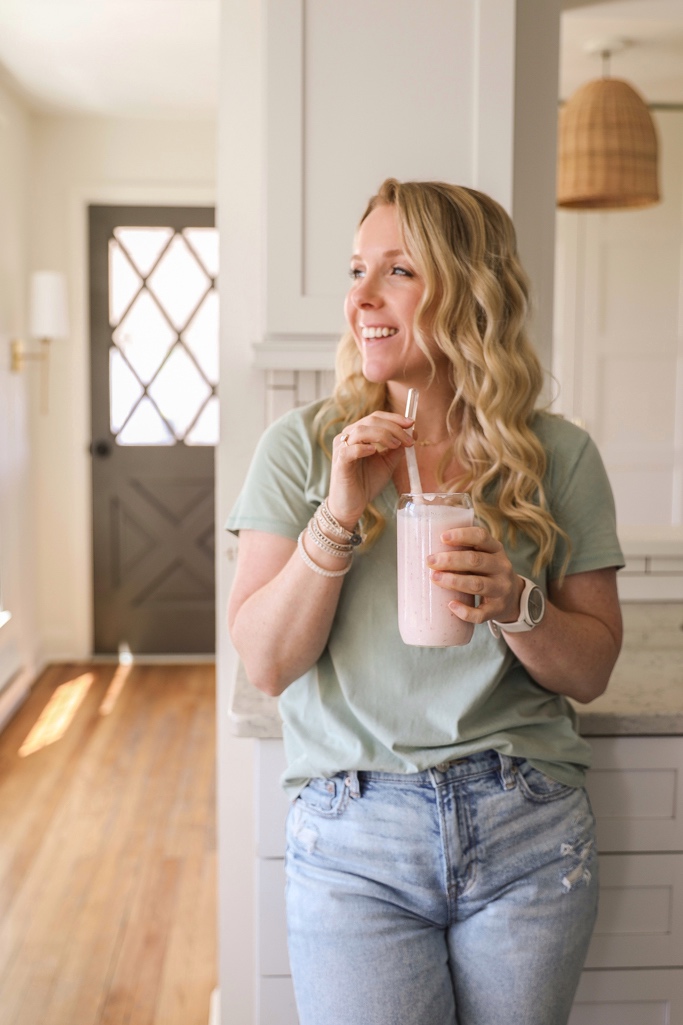
Ten years ago, I was someone who didn’t have a gym membership, a clue about nutrition, or any idea how to fuel and take care of her body. Over time I developed a love of fitness, health, and wellness and have learned SO much along the way. Today I’m consistently in the gym 4-5 days a week, currently in a fat loss phase to get ready for summer, and have lots of little daily habits and routines that help me feel my best. I share tips all the time on my Instagram stories (you’re following me there, right?), but I wanted to have a place where I could go into more detail about all the habits I’m focusing on right now to get ready for summer and swimsuit season.
Feel free to ask questions, and I can go into more specifics if that would be helpful!

Habits I’m Focusing On to Get Ready for Summer
Nutrition
- Tracking macros – I started logging my food in the MyFitnessPal app several years ago as a way to track calories, and it eventually led to tracking macros. Calories are broken into 3 macronutrients – protein, carbohydrates, and fat. There are many reasons why tracking macros can be beneficial, but the reason I do it is to make sure I’m eating balanced meals to fuel my body and getting enough protein, especially when in a fat loss phase. I don’t track macros all the time, but use it as a tool to understand portion sizes and food selection. However when I’m in a cut (which I currently am), it’s a necessity to know I’m getting enough of the right nutrients without going over my calorie goal for the day. You can find macro calculators online, or get a custom macro assessment from someone like Courtney Rushing or Lexus Gordon.
- Being in a calorie deficit – Most of the year I eat at maintenance calories, which means I’m eating enough to maintain my weight without gaining or losing. I’m able to push myself hard in the gym, sleep well, and not feel like I’m constantly restricting myself, which can lead to overeating. But once or twice a year, I go into a calorie deficit where I lower the calories I’ve been eating at maintenance by around 20%. The goal is to be as consistent as possible for 12-16 weeks and then slowly reverse back up to maintenance calories improve metabolism, performance, sleep, and hormones that can be affected by calorie restriction.
- Hitting my goal weight in grams of protein – I truly had no idea how little protein I used to eat until I started tracking it. Protein is so important for muscle growth and recovery, satiety (helps you feel full), and preserving muscle during a calorie deficit so more of the weight you lose is fat. An easy benchmark is 1 gram of protein per pound of body weight or goal body weight. Here are a few high-protein recipes I love:
- Whole foods – I stay away from processed foods as much as possible and try to stick to whole foods that provide nutrients, reduce cravings, nourish gut health, and stabilize energy. One easy way to think about doing this is mostly shopping the outer aisles of the grocery store where they have meat, eggs, fruits, vegetables, etc.
- Fiber – Next to protein, fiber is probably the most under-prioritized aspect of nutrition. Over the last few years I’ve struggled a lot with digestion, bloating, and gut health, and fiber is a key element in improving all of those. It’s recommended for women to get 25-28 grams per day, and I realized I was only getting about half of that by tracking in MyFitnessPal. Some of my favorite ways to get more fiber in:
- kiwi
- blueberries/raspberries
- apple
- avocado
- broccoli
- oats
- leaving the skin on fruits/veggies when possible
- sprinkling chia seeds and flaxseeds in smoothies, yogurt, or oatmeal
- Hydration + electrolytes – Always trying to make a conscious effort to drink more water throughout the day, but one thing I’ve learned is equally as important = electrolytes. They help your body absorb water, balance fluids, and I genuinely can tell a difference in my energy and focus when I have them. One thing I’ve learned recently is how important it is to balance sodium with potassium. I’ll usually add a splash of coconut water into my electrolytes and try to work in foods like avocado, potatoes, and bananas throughout the week. Here are several of my favorite electrolytes.
- Supplementation – I try to take a “food-first” approach to supplementation – meeting as many nutrient needs through whole foods first. But there are a handful of supplements I take daily that many doctors and experts believe women across the board can benefit from and should be taking: Vitamin D3 + K2, Magnesium, Omega-3, and Creatine. You can find the reasons why and all the other supplements I take here.
Exercise
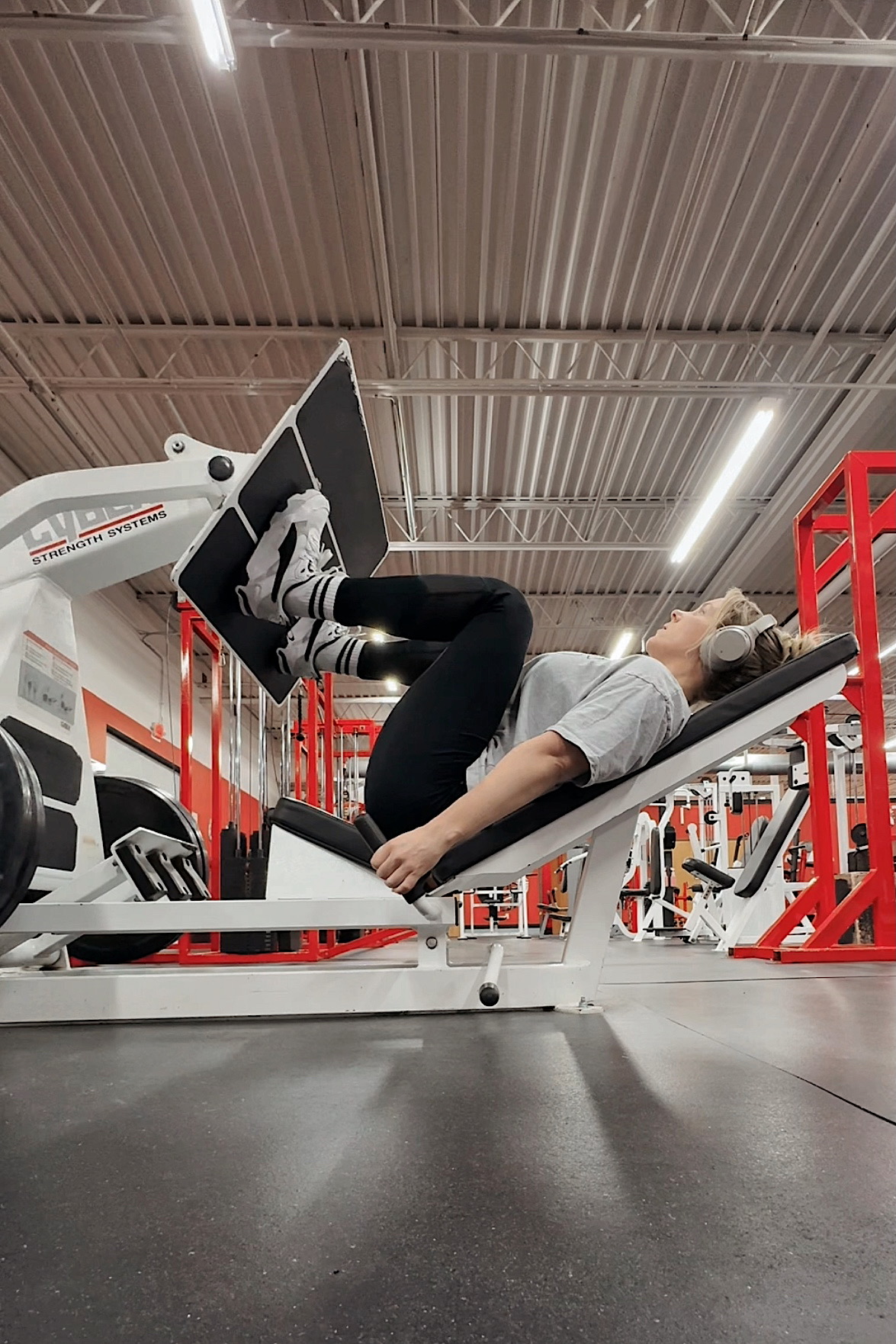
- Strength training – One of the biggest changes I’ve made in my workouts over the last few years was switching from cardio or random workouts I found online to a structured strength training program. Weightlifting was always something I associated with men or professional athletes, and I had no idea the importance of building muscle for not only your body composition, but for overall health and longevity. Muscle gives your body shape, burns more calories than fat – even at rest, improves bone density, and maintains independence as you age by reducing the risk of falls. I took classes to learn how to create my own training programs and currently lift 4x per week – 2 upper body days + 2 lower body days. I use the Strong app to track my workouts.
- Sprint interval training – I lift Mon/Tues/Thurs/Fri and take weekends as my rest days, so in the middle of the week on Wednesday, I try to do some sprint interval training – short bursts of all-out effort followed by periods of rest or low-intensity recovery. I get mine done in 15-20 minutes including a warm-up and cooldown walk. It’s not fun (I hate running), but it has so many benefits: maximizes fat burning in less time, increases your aerobic capacity, and doesn’t break down muscle. Only do this once per week!
- Sprint at 90–100% effort for 30 seconds – right now this is 10 speed for me on the treadmill
- Rest or recover at a light pace for 1-3 minutes – around 2 speed
- Repeat for 4-8 rounds
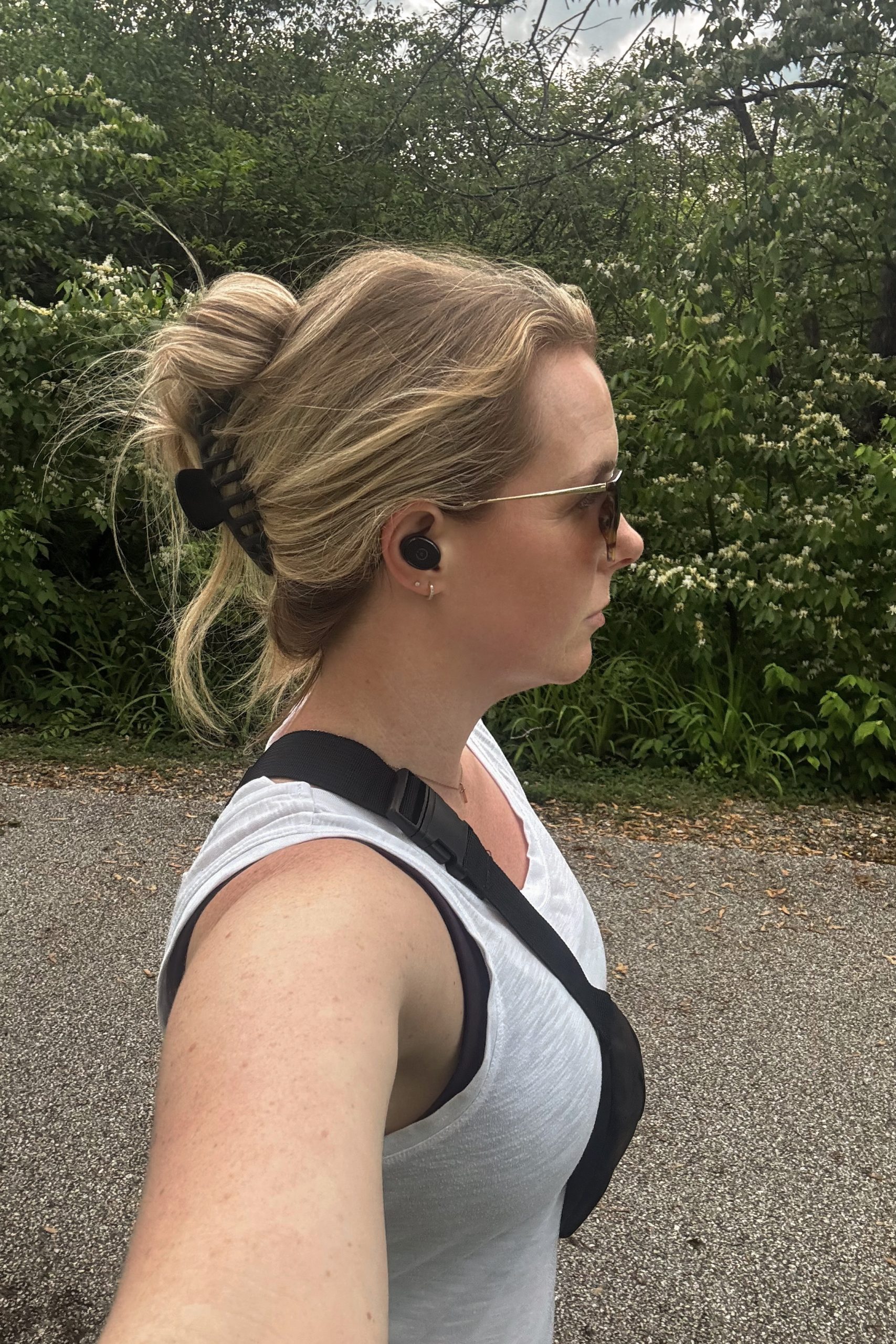
- Daily step count goal – I wear a Garmin watch to keep track of my daily step count and other metrics such as sleep scores, cycle tracking, etc. When I’m working on my computer all day, it’s not uncommon to barely break 3,000 steps all day long if I don’t intentionally build movement in throughout my day. My goal is 10,000 steps minimum, and I try to take a quick 10 minute walk after each meal (I have a treadmill in my home office), which also is really great for digestion. In the evening, now that the weather is nice I try to get outside and go for a 30-40 minute walk to finish up any remaining steps. One thing that has made a big difference for me recently is investing in a walking pad for my desk. I walk at a slow 1-1.5 speed pace while I work on the computer and can easily hit 12-15k steps without even thinking about it. This low intensity movement all throughout the day has been one of the BIGGEST contributors to weight loss, keeping inflammation/water retention down, and improving digestion. My recommendation is not buying the cheapest one you can find on Amazon (I had to replace mine 2 months later), and this foldable model I give 5 stars.
Sleep + Recovery
- Sleep – One of the biggest habits I’ve prioritized lately is quality sleep. It’s not something I ever used to focus on because it doesn’t “feel” like it moves the needle that much. But I’ve read so much research on what sleep actually does for your body, and I try very hard to get 7-8 hours (I keep track on my Garmin watch) every night now. There is no supplement, cleanse, or workout you can do that makes up for the repair and restoration that happens during sleep. Did you know:
- The glymphatic system in your brain flushes out toxins and waste only during deep sleep.
- We release growth hormone during sleep, which repairs and builds muscle tissue and burns fat.
- Sleep regulates our central nervous system to reduce stress and anxiety. It also balances hormones to help control blood sugar, reduce hunger and cravings, and support your immune system.
- Sleep boosts production of cytokines and white blood cells to fight illness, infection, and inflammation.
- Your internal organs like the liver and kidneys also detox more efficiently at night.
- The brain consolidates memories, processes emotions, and clears mental clutter, which is crucial for learning and emotional regulation.
- Sauna – My gym has a sauna, and it’s something I try to squeeze in after my workouts whenever I have time. It’s not just about sweating—there’s actually a lot going on under the surface. The heat helps increase circulation, which supports muscle recovery and can help deliver nutrients where your body needs them most after lifting. It also promotes a deeper sweat, which plays a role in detox pathways and helps your body clear out some of what it doesn’t need. Regular sauna use has also been shown to support cardiovascular health, reduce inflammation, and even improve endurance over time by helping your body adapt to heat and stress. I’ll jump in for 15-30 mins when I get done lifting and either meditate or listen to a podcast while I’m in there. It’s a simple habit stack, but does a lot behind the scenes.
- Circadian rhythm regulation – Your circadian rhythm is basically your body’s internal clock. It tells your body when to wake up, feel tired, eat, release hormones, and more, all based on light and darkness. I try to get 10–15 minutes of natural sunlight first thing in the morning, or I’ll use my artificial sunlight lamp if I’m up before the sun. At night, I keep things simple by dimming the lights and limiting screen time about 1–2 hours before bed. I have a whole blog post that explains why circadian rhythm is so important and how to optimize it here.

Stress Management
- Similar to sleep, stress is something that on the surface doesn’t appear to affect weight loss that much. But in reality, it raises cortisol (often a factor in storing belly fat), increases cravings, disrupts sleep, slows metabolism, suppresses digestion, disrupts hormones, and makes it very hard to be consistent with your routines, diet, and exercise. I can definitely tell a spike in my anxiety and my sleep and digestion suffer when I’m stressed. Here are a few things I’m trying to do to manage it better:
- Breathwork – box breathing or 4-7-8 breathing
- Caffeine restriction – less overall and none after 2-3pm
- Gratitude – in prayer or journaling – it’s nearly impossible to be sad/stressed and grateful at the same time
- Walks outside – nature and sunlight are great stress reducers
- Time management – planning out my days so that I get more accomplished and know what’s ahead really helps my anxiety
- Setting boundaries – I’m a people pleaser, and learning to say no to certain things has been hard, but so beneficial for my mental health
- Human connection – anyone who makes me feel loved, safe, and I can laugh with
I have so much more I could share, but these are the key things I’m trying to prioritize while in my cut so I feel my best going into summer. I know that was a ton of information I shared, so if you’re just starting your health and wellness journey or trying to ease back into it, here are the top 4 things I would implement today, and you can add add more in as you feel ready!
Top 4 Things to Start Your Health Journey
- Learn to track your food in an app (like MyFitnessPal) to determine the calories and macros you’re currently eating in a day. After tracking for a week or two, reduce your daily calorie goal by 15-20% and make sure you eat 1 gram of protein per pound of goal body weight. Don’t worry about carbs and fat yet, just make sure you’re hitting your calorie and protein numbers!
- Don’t drink your calories for the day! Pop, juice, your favorite Starbucks order – anything that’s not zero calorie needs to be logged as well, and you don’t want to waste your calories for the day on anything but food. Drink as much water as you can!
- When it comes to exercise, start where you are. If you do zero exercise, start walking daily. Track your steps for a week, and next week add 1000 steps as your goal. Continue adding 1000 steps each week until you work up to 10,000. If you exercise occasionally, start adding strength training into your routine. Some gyms offer strength-based group classes that might help you learn what to do, or you can follow a program like the Moves App. Any movement is better than no movement, and the goal is to get yourself used to exercising consistently each week until it becomes part of your everyday lifestyle. One thing that really helps me is setting a specific time each day to work out, and I revolve the rest of my day around that!
- Start getting 7-8 hours of sleep every night, and decide what your sleep/wake times are throughout the week. If you know you need to be in bed by 10pm every night to get a full 8 hours, start creating a wind-down routine to help your body get ready for sleep around 9pm. I like to take a hot shower, do my nighttime skin care, and take magnesium glycinate and 5mg of melatonin before bedtime. You can find both of those supplements I take here.
As always, I sincerely appreciate you shopping through the links I share, which allows me to make a small commission from your purchase while your purchase price remains the same. When you use my affiliate links, I’m better able to create content for this blog as well as support my family, and I thank you from the bottom of my heart for supporting what I do!
STAY CONNECTED:
Shop my Posts | Shop my Amazon Store
Join our Community | Follow on Instagram
Follow on Pinterest | Follow on Facebook

Leave Your Comments